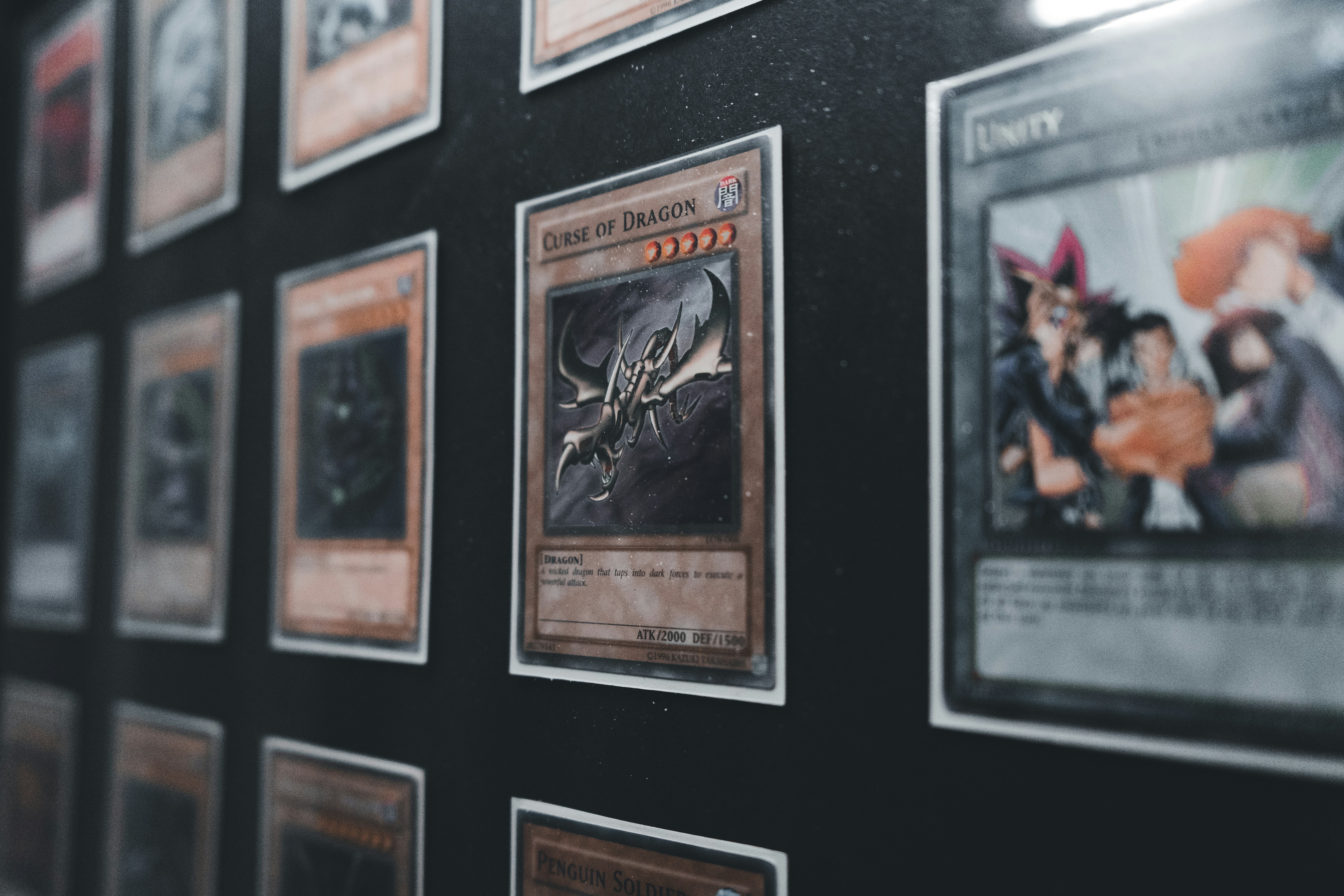
I manage over 10,000 cards as a one-man operation. No employees, no warehouse—just me, a spare room, and a system that lets me find any card in under 30 seconds.
After selling tens of thousands of cards on eBay, I’ve refined this workflow to the point where it runs itself. Here’s exactly how I organize everything.
The Three-Tier System
Every card in my inventory falls into one of three tiers. This determines how I store it, how fast I need to access it, and how much protection it gets.
Tier 1: Bulk ($0-5 cards)
These are commons, uncommons, and low-value rares. They get minimal protection because the math doesn’t justify more.
- Storage: BCW 800ct boxes, organized by set
- Protection: Penny sleeves only (or none for true bulk)
- Access time: 1-2 minutes (I rarely pull these individually)
I sell bulk in lots—100 cards for $15, that kind of thing. Not worth photographing individually.
Tier 2: Mid-Value ($5-100 cards)
This is the meat of my operation. Chase cards, holos, desirable rares that sell for real money but aren’t worth grading.
- Storage: Toploaders in BCW toploader boxes, organized by sport/TCG → Set → Card number
- Protection: Perfect fit sleeve + toploader
- Access time: Under 30 seconds
These are my active eBay listings. When a sale comes in, I need to grab, verify, and ship within 24 hours.
Tier 3: High-Value ($100+ and Graded)
Graded slabs and raw cards waiting for submission. Maximum protection, separate storage.
- Storage: Graded card boxes for slabs, Card Saver 1s for submission queue
- Protection: Climate-controlled room, away from windows
- Access time: 1 minute (fewer cards, but I’m more careful)
My Actual Storage Setup
The Hardware
What I actually use after years of trial and error:
- 6x BCW 5-Row boxes: For bulk storage. Each holds 5,000 cards.
- 12x BCW 800ct boxes: For organized set storage.
- 4x BCW Toploader boxes: For mid-tier cards in toploaders.
- 2x Graded card shoe boxes: For slabs.
- 1x Small dehumidifier: Runs 24/7 in my card room.
- Silica gel packs: 2-3 per storage box, replaced monthly.
The Room
I converted a spare bedroom into my card room:
- Shelving units along two walls
- Desk for photography and packing
- Lightbox permanently set up
- Shipping supplies station
- No windows (UV protection) or blackout curtains
- Dehumidifier keeping it at 45% humidity
Total investment: maybe $500. Pays for itself with the first damaged card I prevented.
The SKU System That Saves Hours
How I Track 10,000+ Cards
Every card gets a SKU when it enters inventory:
SET-NUMBER-CONDITION-LOCATION
Example: OBF-223-NM-T2B3
- OBF: Obsidian Flames (set code)
- 223: Card number
- NM: Condition
- T2B3: Tier 2, Box 3
When I list on eBay, the SKU goes in the custom label field. When it sells, I know exactly where to grab it.
The Spreadsheet
Google Sheets with columns for:
- SKU
- Card name
- Purchase price
- Purchase date
- Listed price
- Platform (eBay, TCGplayer, etc.)
- Status (listed, sold, grading, hold)
- Sale price (when sold)
- Profit
Takes 30 seconds to log each card. Saves hours when I need to find something or calculate ROI.
My Daily/Weekly Workflow
Daily (30 minutes)
- Check eBay sales from overnight
- Pull sold cards using SKU locations
- Photograph and pack
- Drop at post office
Weekly (2-3 hours)
- Process new inventory intake
- Photograph batch of 30-50 cards
- Create eBay listings
- Update spreadsheet
- Reprice stale listings (60+ days)
Monthly (1 hour)
- Replace silica gel packs
- Audit a random box against spreadsheet
- Bulk out dead stock
- Review ROI by category
Intake Process: New Cards
When new cards arrive (from shows, eBay purchases, etc.), they go through triage immediately:
Step 1: Sort Into Piles
- Grade: High potential for PSA/CGC submission
- Sell Raw: Worth listing individually on eBay
- Hold: Personal collection or waiting for market timing
- Bulk Out: Too low value for individual listing
Step 2: Process Each Pile
- Grade pile: Inspect with loupe, sleeve, Card Saver, stage for next submission batch
- Sell pile: Sleeve, toploader, assign SKU, photograph, list
- Hold pile: Appropriate protection, log in spreadsheet with “hold” status
- Bulk pile: Into bulk boxes, list as lots periodically
No card sits in a “to sort” pile for more than a week. That’s how things get lost.
Shipping Station
My Setup
Everything within arm’s reach:
- Toploaders (pre-sleeved cards ready)
- Team bags
- Bubble mailers (various sizes)
- Small boxes for high-value
- Tape gun
- Scale for postage
- Label printer
- Packing peanuts/bubble wrap
Packing by Value
| Value | Method | Shipping |
|---|---|---|
| Under $20 | Toploader + team bag + PWE | Stamped mail |
| $20-100 | Toploader + cardboard + bubble mailer | First Class |
| $100-500 | Card Saver + sandwich + small box | Priority |
| $500+ | Double-boxed | Priority + signature |
Climate Control: Lessons Learned the Hard Way
One summer, I didn’t have a dehumidifier. Humidity hit 70%. Found warped cards in three boxes. Lost maybe $300 in value.
Now I’m paranoid about environment:
- Humidity: 40-50%, monitored with a cheap hygrometer
- Temperature: 65-75°F (my card room has its own AC unit)
- Light: No direct sunlight. Blackout curtains on the one window.
- Silica gel: In every box. I buy the indicating kind that changes color when saturated.
The Mistakes I Made
- No SKU system early on: Spent hours hunting for cards. Now it’s 30 seconds.
- Stacking toploaders flat: Cards warped. Store them vertically.
- No humidity control: Warped vintage cards. $300 lesson.
- “I’ll sort it later” piles: Those piles became months. Process immediately.
- No spreadsheet: Couldn’t calculate real ROI. Now I track everything.
Budget Setups
$50 Starter
- 2x BCW 800ct boxes ($6)
- 1000 penny sleeves ($5)
- 100 toploaders ($8)
- 100 team bags ($4)
- Silica gel packs ($6)
- Bubble mailers 25-pack ($12)
- Labels and tape ($9)
$200 Standard
- Everything above, plus:
- BCW toploader storage box ($12)
- 500 perfect fit sleeves ($15)
- 200 Card Saver 1s ($20)
- Lightbox ($30)
- Phone mount ($15)
- Hygrometer ($10)
$500 Pro
- Everything above, plus:
- Small dehumidifier ($50)
- Shelving unit ($60)
- Graded card boxes ($35)
- Label printer ($50)
- 60x loupe ($15)
The System That Lets Me Scale
I run this entire operation solo. No employees. When I started, I had 500 cards and chaos. Now I have 10,000+ cards and can find any of them in 30 seconds.
The secret isn’t fancy software or expensive equipment. It’s:
- A consistent SKU system
- Tiered storage based on value
- Climate control (learned the hard way)
- Process new inventory immediately
- Track everything in a spreadsheet
Get these right and the rest is just repetition.
Related Guides
- Complete Guide – Full overview of my operation
- Grading Supplies – What I use for submissions
- PSA vs CGC vs Beckett – From 3,000 submissions
- Deals Sourcing – Where I find inventory